About Karad Beej - Karad Seeds - Safflower Seeds - Kusum Beej -Carthamus Tinctorius
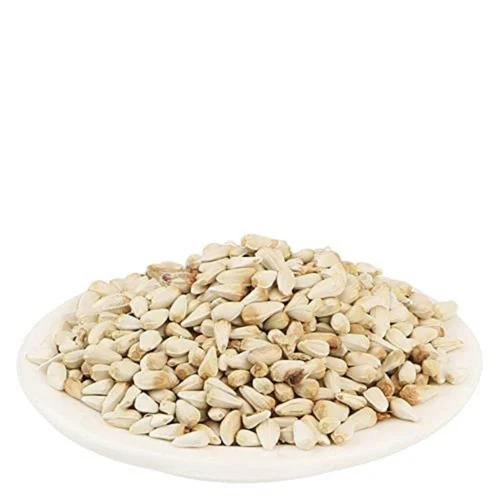
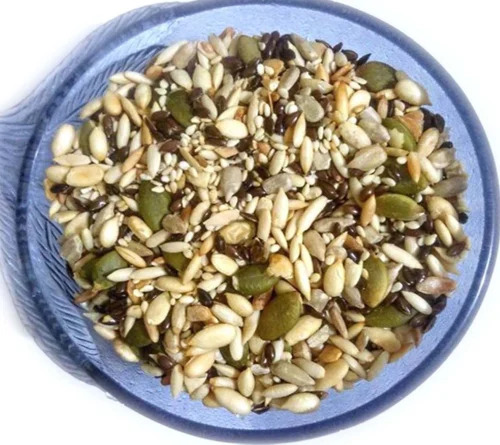
Discover the unparalleled value of Karad Beej (Safflower Seeds - Kusum Beej), botanically known as Carthamus Tinctorius. These seeds are First-rate, ideal for oil extraction, bird feed, and edible purposes. Boasting a magnificent oil content of approximately 35-40%, and with trending purity at 99%, these seeds meet premium export standards. Reduced insect damage, along with sun-dried quality and a shelf life of 12 months, ensures top reliability. Available in white to off-white color and packaged in PP or jute bags for maximum freshness, sourced from India's finest producers. Minimum order: 1 metric ton.
Versatile Applications for Every Need
Karad Beej (Carthamus Tinctorius) is a trending choice for oil extraction, creating premium edible oils. Its unmatched quality also makes it ideal as bird feed or for direct consumption. Suitable for edible use on a range of culinary surfaces or as livestock and avian feed, these seeds are the preferred option for manufacturers, suppliers, and traders looking to deliver exceptional results across multiple sectors.
Export Excellence: Packaging and Shipping
Estimate your worldwide shipments with our magnificent export service. Karad Seeds are meticulously packaged in 25kg or 50kg PP and jute bags, ensuring product integrity upon arrival. FOB Port: India, with major markets spanning Asia, Africa, and beyond. Reduced expenditure on packaging and logistics means better value for every shipment, making this product a top choice for importers seeking reliability and premium quality.
FAQ's of Karad Beej - Karad Seeds - Safflower Seeds - Kusum Beej -Carthamus Tinctorius:
Q: What are the main applications of Karad Beej (Safflower Seeds)?
A: Karad Beej is primarily used for oil extraction, bird feed, and edible purposes. Its high oil content and purity make it desirable for a variety of culinary and agricultural uses.
Q: How should Karad Beej seeds be stored for maximum shelf life?
A: For optimal freshness and a full 12-month shelf life, store Karad Beej seeds in a cool, dry place, protected from moisture and humidity.
Q: Where are the main export markets for Karad Beej seeds?
A: The main export markets for these safflower seeds include countries throughout Asia and Africa, supported by a robust trade network based in India.
Q: What is the process for packaging and shipping Karad Beej?
A: Karad Beej seeds are sun-dried, then packed securely in 25kg or 50kg PP or jute bags. They are shipped FOB from India, adhering to export standards and ensuring product quality during transit.
Q: When is the harvest season for Karad Beej?
A: The prime harvest season for Karad Beej (Carthamus Tinctorius) is from November to March.
Q: How is the purity and quality of Karad Beej maintained?
A: These seeds boast a purity of 99% and undergo strict quality control measures, including fumigation as per export standards and reduced insect damage to less than 1%.





 Send Inquiry


 Send Inquiry